
Best Jellyfin media server
A home server for Jellyfin with hardware transcoding and media storage.
Requirements vs this build
need · used| CPU threads | 11 | 79% | OK |
|---|---|---|---|
| RAM | 40 GB | 84% | Tight |
| Storage | 32 TB | 77% | OK |
| GPU | Dedicated |
Power
- Usage
- 24/7
- Idle
- 56 W
- Typical
- 89 W
- Peak
- 249 W
- Energy / year
- ≈ €194
- Over 3 years
- ≈ €583
Score
Why this variant
The lowest total price (2319€) that still covers this workload properly — best price/quality ratio.
- No ECC memory — fine for home use, less ideal for bit-rot-sensitive archives.
- Expansion headroom is trimmed: parts are chosen for price per capability.
- Intel Core Ultra 5 245K: 14 cores / 14 threads covers the 11 cores needed with headroom.
- Motherboard Intel H810 (LGA 1851): matches the CPU socket and case size.
- RAM: 48GB DDR5 — meets the 40GB the workload requires.
- Value build — most for your money beats "Smart build — best all-round" on performance -5, efficiency +7, expandability +36 — that is why it is recommended for your priorities.
- Value build — most for your money beats "Long-term build — expandable & future-proof" on performance -5, efficiency +11, expandability +36 — that is why it is recommended for your priorities.
Before you buy
1 critical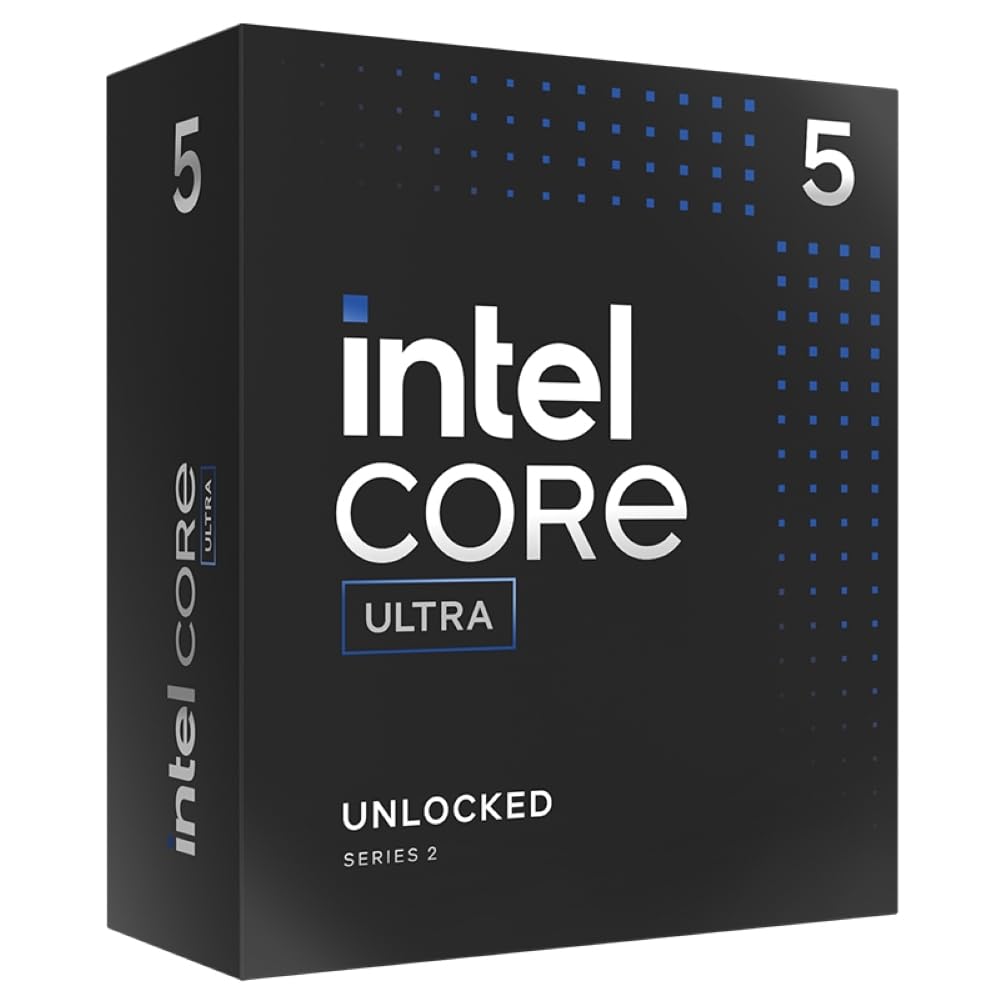 cpuIntel Core Ultra 5 245K14C/14T · 5.2 GHz · 125 W€172
 motherboardGigabyte H810M K LGA1851 DDR5 Micro ATXIntel H810 · MATX · 1× M.2€88
 ramCorsair Vengeance Black DDR5-6400 CL36 48GB (2x24GB)48 GB DDR5 · 6400 MT/s€662
 caseCooler Master Force 500 ATX Mid Tower BlackATX/MATX/ITX · 7× 3.5″€52
 coolingID-COOLING SE-903-SD V3 Air 123mm Black / Silverair tower · 123 mm€14
 psube quiet! Dark Power Pro 11 550W Semi-Modular 80+ Platinum550 W · platinum · modular€31
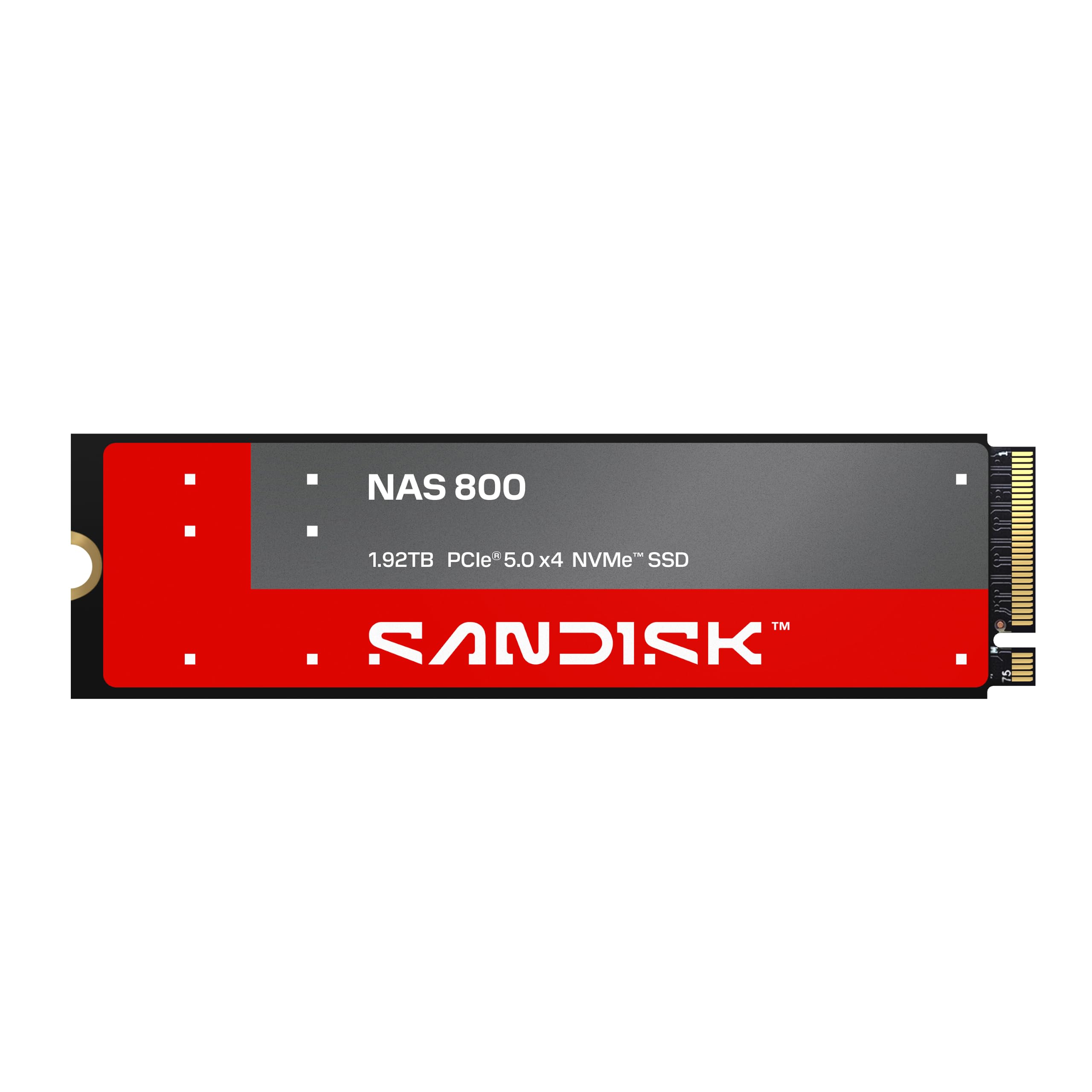 storageSanDisk NAS 800 NVMe SSDNVME · 92 TB · NAS-rated€728
 storage× 4WD Red Plus Internal NAS HDD 3.5" - 8TB3.5 HDD · 8 TB · NAS-rated€313
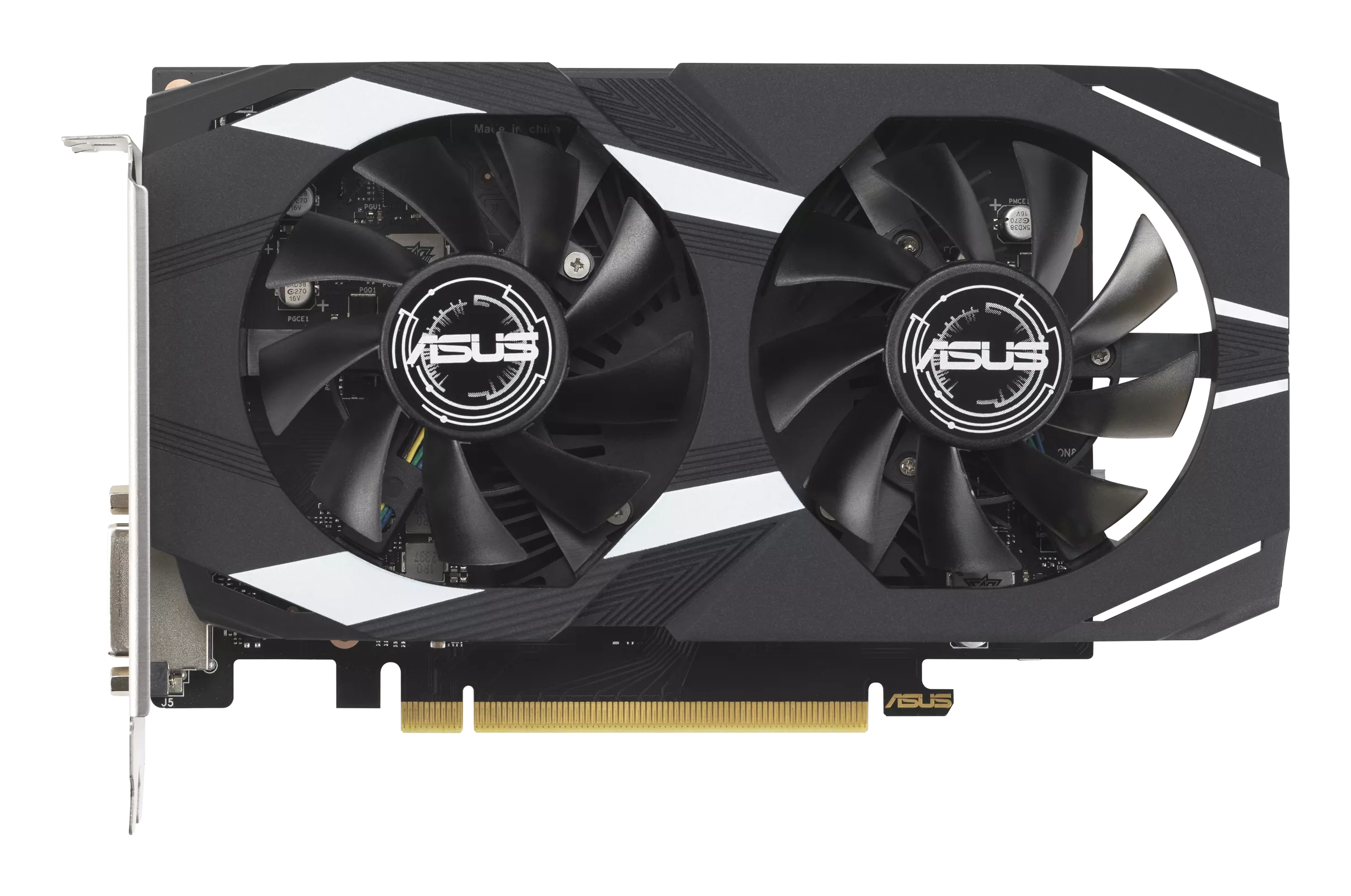 gpuASUS Dual GeForce RTX 3050 OC Edition 6GB GDDR66 GB VRAM · 70 W · CUDA€259
Future-proof score
Balanced future-proofing59/100
Balanced future-proofing (59/100) — it covers today's workload with some room, but one or two factors will push you to upgrade sooner.
DIY build — the CPU, motherboard and PSU can each be upgraded independently without replacing the whole system.
Expansion headroom: 1 PCIe slot(s), 0 M.2, 0 SATA, 3 drive bay(s), 0 RAM slot(s) free.
Storage is 77% utilized with 3 free drive bay(s) and 0 free SATA port(s).
0 RAM slot(s) free; memory is 84% utilized.
Networking is 1000 Mbps, and a free PCIe slot can add a faster NIC later.
ATX form factor with standard, socketed components — most parts are easy to replace.
A 6GB GPU is present — AI and transcoding workloads are covered.
Homelab Risk Score
Low risk13/100
Low risk (13/100) — sensible redundancy and headroom; no single point of failure is exposed.
Final build audit
Audit found 1 critical and 0 warning item(s) worth fixing before you buy.
What becomes the limit
RAM is maxed out is the most likely thing to date this build within 1-2y.
What limits you first
RAM is the closest to its limit (84% of capacity in use) — it will likely force the next upgrade.
- Add Microconnect MC-PCIEX4-X520-DA1 network card Internal Fiber 10000 Mbit/s
- Upgrade gpu to ASRock Intel Arc B570 Challenger 10GB GDDR6 OC
- Upgrade cpu to Acer 265F processor 30 MB Smart Cache Box
Mission
- Budget
- €900
- Storage
- 12 TB (mirror)
- Energy priority
- 5/10
- Noise priority
- 3/10
- Expansion priority
- 5/10
Recommended architecture
diy · tower build on LGA 1851 + Intel H810- Compute
- Intel Core Ultra 5 245K
- Memory
- Corsair Vengeance Black DDR5-6400 CL36 48GB (2x24GB)
- Storage
- SanDisk NAS 800 NVMe SSD, WD Red Plus Internal NAS HDD 3.5" - 8TB
- Networking
- 1G onboard
- Cooling
- ID-COOLING SE-903-SD V3 Air 123mm Black / Silver
- Power
- be quiet! Dark Power Pro 11 550W Semi-Modular 80+ Platinum
- Expansion
- 1× PCIe, 3 bay